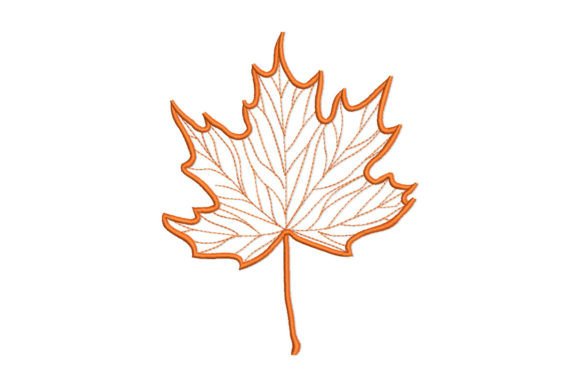
Autumn Leaf, Fall Leaves: A Designer Review
As I set up my booth for the upcoming weekend craft fair, the table is a chaotic mix of finished goods, half-stitched samples, and fabric swatches. The goal is always the same: create a display that stops a passerby in their tracks. This season, I am focusing heavily on Autumn Leaf, Fall Leaves, a design that promises to bring the warmth of the season into every handmade product I offer. Before I commit to stitching hundreds of units or listing this as a digital download for other Etsy sellers, I need to critically evaluate how this machine embroidery design performs in the real world.
First Impressions: Elegance Meets Rustic Charm
When I first loaded the Autumn Leaf, Fall Leaves file onto my machine, the immediate impression was one of sophisticated rusticity. It does not feel like a cartoonish clip-art; rather, it carries an air of elegance and nature-inspired beauty. For a craft fair product, this balance is crucial. Shoppers are looking for items that feel curated, not mass-produced. The design has enough detail to look premium but remains simple enough to be instantly recognizable from across a crowded market aisle.
The aesthetic leans towards a modern farmhouse style, which is currently dominating the handmade market. Whether stitched in deep crimsons and burnt oranges or muted sage and mustard yellows, the motif suggests quality. It feels like a design that belongs on a high-end apron just as much as it does on a cozy throw pillow. This versatility is a major selling point for boutique makers who want to stretch their inventory without losing brand consistency.
Performance Across Product Categories
The true test of any embroidery file is how it translates across different substrates. I have been testing Autumn Leaf, Fall Leaves on a variety of items to see where it shines brightest.
Kitchen Textiles and Home Goods
The description notes that this design works beautifully on kitchen towels, tablecloths, and aprons. In practice, tea towel embroidery using this motif is a standout winner. The texture of terry cloth can sometimes swallow smaller details, but the leaf shapes here are distinct enough to pop against the loops. On an apron embroidery project, placing the leaves near the pocket or along the bib creates a focal point that draws the eye immediately. These items are high-margin craft fair products because they are practical yet decorative, appealing to the home decor enthusiast.
Apparel and Accessories
Moving to clothing, the design adapts well to shirts and dresses, though placement is key. On a tote bag, Autumn Leaf, Fall Leaves serves as a perfect statement piece. A large version centered on a canvas tote bag design looks substantial and gift-worthy. However, when applied to caps, the curved surface requires careful consideration. The organic flow of the leaves helps camouflage the curve better than rigid geometric patterns would, but one must ensure the stitch density does not cause puckering on the structured brim.
Patches and Small Accents
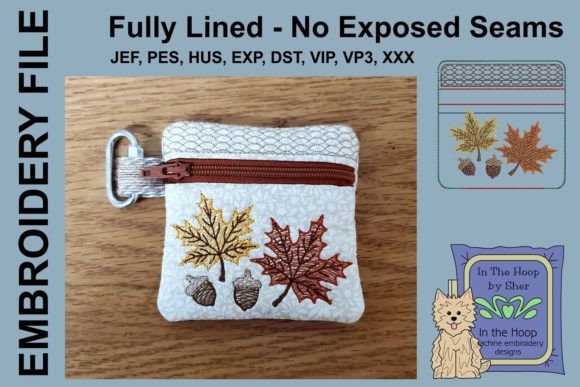
For those creating embroidered patches or small pouches, this design offers great flexibility. A cluster of leaves can act as a subtle accent on a patch, while a single, larger leaf can dominate a small fabric pouch. These smaller items are excellent "impulse buy" additions at a booth, encouraging customers to add a few extra items to their cart.
Practical Selling and Production Insights
From a production standpoint, efficiency is the lifeblood of a successful handmade shop. Autumn Leaf, Fall Leaves scores high on repeatability. The design is easy to understand at a glance, meaning there is less time spent troubleshooting alignment issues during batch production. For the Etsy seller preparing digital listings, the clean lines photograph exceptionally well. When creating a printable mockup, the natural shapes render clearly, allowing potential buyers to visualize the final finished product accurately.
However, visual appeal is only half the battle. The design must also drive customer engagement. In a booth setting, the color palette you choose for the thread will dictate the mood. Using metallic threads for highlights can elevate the perceived value, making the item feel more luxurious. Conversely, using earth tones reinforces the seasonal connection, making it an obvious choice for fall shoppers. Consistency in your thread colors across your entire booth display strengthens your brand identity and makes your small shop product line look cohesive and professional.
Critical Care Notes for Embroiderers
While Autumn Leaf, Fall Leaves is robust, it is not without its challenges. As an experienced designer, I must advise caution regarding specific application scenarios.
- Fabric Texture: On thick fabrics or highly textured towels, the intricate veins of the leaves may lose clarity if the stitch density is too low. Always test on scrap fabric first.
- Dark Fabrics: If stitching on dark material, the contrast of the thread colors becomes critical. Lighter leaves on a black background can look stunning, but you may need a backing stabilizer to prevent show-through.
- Small Sizes: While the design scales well, shrinking it down too far for tiny accents can result in lost detail. Avoid using this as a micro-accent on very small items unless you are confident in your machine's capability.
- Curved Surfaces: As mentioned with caps, the curvature can distort the shape of the leaves. Use a hoop that fits the contour perfectly and consider reducing the overall size slightly to account for the stretch.
Designer Checklist for Success
Before you commit to selling products featuring Autumn Leaf, Fall Leaves, run through this essential checklist to ensure quality and compliance:
- Test Stitching: Always run a test on the exact fabric you plan to sell. Check for puckering, especially around the edges of the leaves.
- Stabilizer Selection: Do not skimp on the stabilizer. For towels and knits, a tear-away or cut-away stabilizer matching the weight of the fabric is non-negotiable.
- Thread Contrast: Review your thread colors against the fabric. High contrast usually sells better online and in person.
- Hoop Size Verification: Confirm that your design fits within your available hoop size without needing awkward re-hooping, which can lead to registration errors.
- Licensing Check: If you are selling physical goods, confirm the commercial licensing terms of the digital embroidery file. Ensure you are allowed to sell the commercial embroidery products you intend to make.
- Mockup Creation: Create at least one real physical mockup for photos. Stock images rarely capture the texture and depth of real embroidery.
Final Verdict for the Creative Entrepreneur
In the competitive landscape of handmade markets, Autumn Leaf, Fall Leaves stands out as a versatile and profitable asset. It bridges the gap between rustic charm and elegant design, making it suitable for a wide range of design assets including home decor, apparel, and accessories. For the creative entrepreneur looking to capitalize on the fall season, this design offers the reliability needed for batch production while maintaining the unique, handcrafted feel that customers crave.
Whether you are stitching these yourself for your booth or offering them as a digital download for other makers, the key lies in execution. Pay attention to the details—your stabilizer choice, your thread tension, and your color story. When done right, this design transforms simple fabric into a conversation starter. It adds that touch of nature-inspired beauty that turns a casual browser into a loyal customer. As I pack my bags for the weekend, I know that the items featuring these leaves will be the centerpiece of my table, drawing in those who appreciate the artistry of the season.