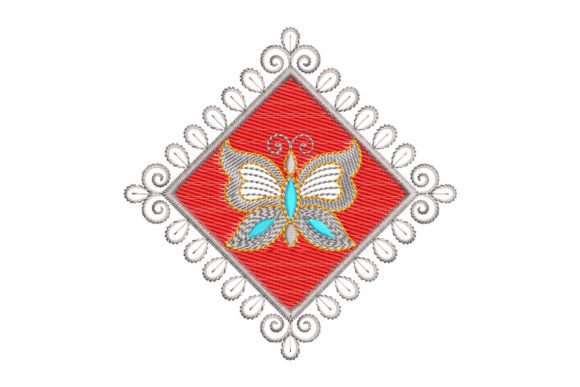
Butterfly Motif: A Designer's Business Review
As a professional embroidery designer who has spent years refining brand identity for small businesses, I approach every new digital file with a critical eye. When evaluating a design like the Butterfly Motif, my goal is not just to see if it looks pretty, but to determine if it can survive the rigors of commercial production. The description promises to "transform your fabric into a work of art" and "breathe life into your creations." While poetic, these claims need to hold up when translated into thread on a staff uniform or a branded patch. This review breaks down how this specific machine embroidery design performs in real-world business scenarios, from boutique merch to corporate apparel.
First Impressions: Visual Personality and Brand Fit
At first glance, the Butterfly Motif presents itself as an elegant yet playful asset. In the world of Bugs and nature-inspired designs, butterflies are a classic choice, but their execution varies wildly. For a small business owner, the visual tone is everything. Does this design feel rustic and handmade, or premium and modern? Based on the promise of elevating style and adding personality, this motif leans towards a versatile aesthetic that bridges the gap between artisanal charm and professional polish.
For a local café, bakery, or florist, this design offers a soft entry point into branding. It suggests transformation and beauty, which aligns well with businesses focused on growth, freshness, or creativity. However, for a tech startup or a construction firm, the whimsical nature might clash unless stylized specifically. The key to its success lies in how well it integrates with existing design assets. If your brand relies on bold, geometric lines, a delicate butterfly might get lost. But for a handmade soap brand, a boutique clothing line, or a creative studio, this motif can serve as a powerful signature element.
Performance in Real Business Applications
The true test of any embroidery file is its versatility across different products. Here is how the Butterfly Motif performs when applied to common small business merchandise:
- Embroidered Patches: This is arguably the strongest use case. The organic shape of a butterfly works beautifully as a detachable patch. Whether sewn onto denim jackets, tote bags, or backpacks, the motif stands out. For small business merch, patches allow customers to wear your brand proudly without committing to a full garment change.
- Staff Uniforms and Aprons: An apron embroidery detail featuring the Butterfly Motif adds a touch of warmth to service staff. Imagine a barista or a baker wearing a subtle winged logo on the chest pocket. It humanizes the brand and makes the staff look approachable. Similarly, on chef coats or server shirts, it acts as a sophisticated accent rather than a loud billboard.
- Cap Embroidery: Placing this design on the front of a cap requires careful sizing. The wingspan must be wide enough to be recognizable but compact enough to fit the curved surface. When executed correctly, it creates a memorable cap embroidery piece that customers will actually want to wear.
- Tote Bags and Apparel: As a tote bag design, the butterfly can be scaled larger to make a statement. On custom t-shirts, it serves as an excellent back-of-shirt graphic or a sleeve detail. For custom apparel creators, this offers a way to differentiate standard blanks into unique branded items.
Critical Considerations for Production
While the potential is high, there are specific areas where the Butterfly Motif requires caution. As a designer, I always advise clients to scrutinize the technical details before mass production.
Sizing and Detail Retention
One of the biggest risks with intricate nature designs is losing detail at small scales. If you attempt to use this motif for a tiny buttonhole patch or a very small chest logo, the fine lines of the wings may blur. Always check the minimum recommended size. If the design relies on thin outlines, shrinking it too much can cause thread breakage or a muddy appearance. Ensure the stitch density remains balanced; too many stitches in a small area can pucker the fabric, ruining the drape of a shirt or the smoothness of a cap.
Fabric Texture and Stabilization
The success of this machine embroidery design depends heavily on the substrate. On textured fabrics like heavy canvas, wool, or fleece, the intricate details of the butterfly wings might not stand out clearly. You must use the appropriate stabilizer to prevent distortion. For stretchy knits used in t-shirts, a cut-away stabilizer is often necessary to maintain the shape of the wings over time. Without proper backing, the design could warp after the first wash, leading to unhappy customers and damaged reputation.
Color Contrast and Visibility
Thread color selection is paramount. On dark uniforms, a light-colored butterfly pops, but ensure the background satin stitching provides enough coverage. Conversely, on light fabrics, using similar shades can make the design invisible. Always create a printable mockup to visualize how the thread colors will interact with the fabric before sending the file to the machine. High contrast usually ensures better recognition and a more professional look.
Impact on Brand Identity and Customer Trust
Using a high-quality digital embroidery file like the Butterfly Motif does more than just decorate; it builds trust. In the crowded marketplace of Etsy sellers and online brands, the quality of your physical product speaks volumes. A clean, well-executed embroidered logo signals professionalism and attention to detail. It tells the customer that you care about the finished product.
When customers receive a tote bag or a patch with a crisp, vibrant butterfly emblem, they perceive higher value. This perception directly influences buyer engagement and repeat purchases. Furthermore, consistent use of this motif across various items—from product packaging accents to event merch—creates visual consistency. Over time, this repetition strengthens brand identity, making your business instantly recognizable even without text.
Practical Designer Notes for Implementation
Before integrating the Butterfly Motif into your workflow, follow these steps to ensure a flawless result:
- Test in Black and White: Run a test stitch in a single color to check the flow of the design and identify any jumping issues or unnecessary trims.
- Verify Hoop Size: Confirm that the design fits within your machine's hoop dimensions. If the wingspan exceeds the hoop, you will need to split the design, which can disrupt the visual continuity.
- Check Commercial Licensing: Ensure you have the right to use this commercial embroidery file for resale. Never assume a free download allows for unlimited business use.
- Inspect Spacing: If combining the butterfly with text, leave adequate spacing to prevent the needle from hitting the lettering.
- Create Client Mockups: Always show a realistic preview to your client or team before finalizing the order to manage expectations.
The Butterfly Motif is a versatile tool that can elevate your merchandise from generic to exceptional. By understanding its limitations and maximizing its strengths through proper technique and material selection, you can turn a simple embroidery design into a cornerstone of your brand's visual language. Whether for a handmade shop, a local café, or a growing apparel line, this design has the potential to breathe life into your creations and leave a lasting impression on your customers.