Gradient Cartoon Eyes: A Designer's Real-World Review
As a designer who has spent years navigating the delicate balance between digital files and physical thread, I approach every new machine embroidery design with a mix of excitement and skepticism. The market is flooded with generic clip art converted into stitches, but finding an asset that truly elevates a handmade product requires a keen eye for detail. Recently, I evaluated the Gradient Cartoon Eyes file to see if it holds up under the scrutiny of a professional craft business. This isn't just about whether the eyes look cute; it is about how they perform on fabric, how they age after washing, and whether they add genuine value to your Etsy seller listings or boutique inventory.
The First Impression: More Than Just Two Circles
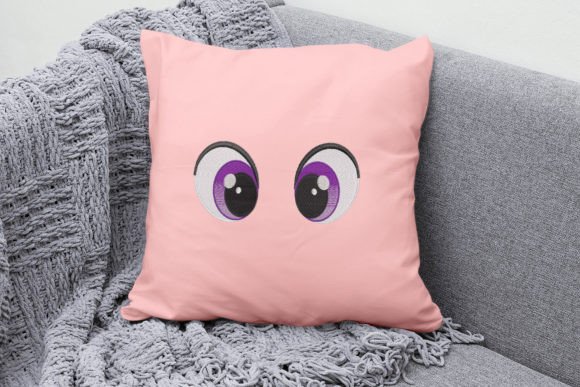
When I first opened the preview for Gradient Cartoon Eyes, the immediate appeal was the iris rendering. Most cartoon eye designs rely on solid blocks of color, which can look flat when stitched on textured fabrics like felt or fleece. This design, however, utilizes a gradient technique within the iris area. In the context of Toys and plush applications, this subtle shading adds a layer of depth that mimics the way light hits a real surface. It gives the character a soulful, engaging quality rather than a lifeless, sticker-like appearance.
The layout is clean, with each eye designed to stitch separately. This is a critical feature for any serious embroiderer. Being able to place the eyes independently allows for dynamic expressions. You can angle them slightly upward for a happy look or tilt them down for a sleepy expression. For anyone creating personalized gifts or custom dolls, this flexibility transforms a static design into a versatile tool for storytelling. The visual personality feels playful yet polished, making it suitable for both whimsical nursery decor and high-end custom apparel.
Testing in Real-Life Scenarios: From Plushies to Patches
To truly understand the utility of Gradient Cartoon Eyes, I simulated its use across several common project types. My primary test case was a set of plush animals intended for a small shop launch. When stitching these onto medium-weight felt, the gradient effect held up beautifully. The transition between thread colors was smooth enough that the human eye perceives a blend rather than distinct rows of satin stitch. This is essential for maintaining a professional finish on handmade products.
I also considered using this design for an embroidered patch application. Because the eyes are self-contained and relatively compact, they work exceptionally well as focal points on denim jackets, tote bags, or even as accents on aprons. Imagine a kitchen towel featuring a simple embroidered face where the eyes are the only detailed element; the rest of the face could be left to the imagination or added with simple running stitches. This "less is more" approach often yields higher customer engagement because it feels artistic rather than cluttered.
For baby embroidery projects, such as onesies or bibs, the softness of the gradient makes the design less harsh than traditional bold outlines. However, the decision to use this on stretchy knit fabrics requires caution. While the design itself is robust, the density of the gradient fill needs to be balanced against the fabric's ability to breathe and stretch without puckering.
Navigating Technical Challenges and Fabric Choices
No design is perfect for every situation, and Gradient Cartoon Eyes is no exception. As a reviewer, I must highlight where this file demands extra attention. If you plan to use this on dark fabrics, the gradient might lose its definition unless you utilize a white underlay or a lighter base layer. Without proper contrast, the subtle shifts in the iris color can disappear, leaving a muddy appearance.
Texture is another factor. On highly textured surfaces like terry cloth or heavy canvas, the fine details of the gradient may get lost in the weave. In these cases, it is wise to increase the stitch density slightly or choose a larger hoop size to ensure the machine pulls the thread tight enough to sit on top of the fabric texture. Additionally, avoid using this design on extremely thin fabrics without a heavy-duty stabilizer. The tension required to create a crisp gradient can distort lightweight materials, leading to warping around the hoop.
Curved surfaces, such as caps or hats, present their own challenges. Since the eyes stitch separately, you have the freedom to curve the placement, but the machine must be able to pivot smoothly. Ensure your embroidery file settings allow for adequate jump stitches so the needle doesn't drag thread across the cap's brim or crown, which can ruin the finished product's aesthetic.
Impact on Brand Value and Customer Perception
In the competitive world of commercial embroidery, the quality of your design assets directly influences buyer trust. Using a design like Gradient Cartoon Eyes signals to customers that you care about nuance. It moves your product away from the "mass-produced" look and into the realm of artisanal craftsmanship. When a customer sees the depth in the eyes of a stuffed toy or the precision on a sweatshirt embroidery project, they perceive higher value.
This design also enhances the giftability of your items. A personalized item with expressive, high-quality eyes feels more intimate and thoughtful. For holiday embroidery collections, these eyes can be paired with seasonal accessories—like tiny scarves or hats—to create limited edition pieces that sell out quickly. The versatility of the design ensures it fits various themes, from spooky Halloween monsters to cheerful Christmas elves, without needing to purchase multiple files.
Practical Notes for Designers and Makers
Before integrating Gradient Cartoon Eyes into your workflow, follow these practical steps to ensure success:
- Test on Scrap Fabric: Always run a test stitch on the exact fabric and stabilizer combination you intend to use. Check how the gradient threads interact with the material's grain.
- Check Thread Contrast: Verify that the thread colors in the gradient stand out against your background. Adjust the palette if necessary before finalizing your digital embroidery file setup.
- Review Stitch Density: Inspect the back of the test stitch. If there is excessive backing showing through or if the front looks bunched, adjust the density settings in your software.
- Confirm Hoop Size: Ensure the separate eye components fit comfortably within your hoop without crowding, allowing the machine to move freely.
- Inspect Small Details: Zoom in on the gradient areas to ensure the color transitions are not too abrupt. Sometimes, manual tweaking of the color stops is needed for smoother results.
- Licensing Check: Before selling finished goods or offering this as a digital product, confirm the licensing terms. Ensure you have the right to use it for small shop merchandise and commercial resale.
Ultimately, Gradient Cartoon Eyes is a strong addition to any designer's library, provided it is used with intention. It bridges the gap between simple applique designs and complex character art, offering a middle ground that is efficient to stitch but rich in visual impact. Whether you are a hobbyist making gifts for family or a creative entrepreneur scaling a brand, this design offers the kind of practical charm that keeps customers coming back for more.