Hand Saw: A Seasonal Embroidery Design Review
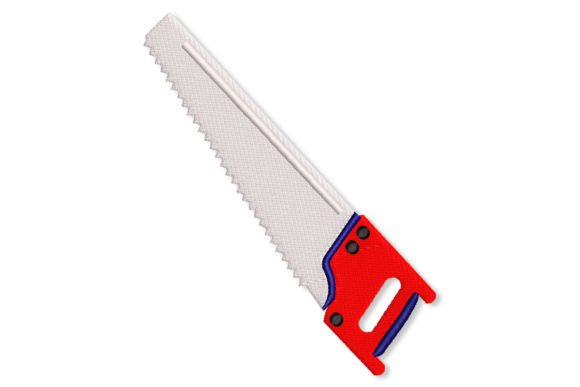
As an embroidery designer who has spent years curating collections for the holiday rush, I approach every new machine embroidery design with a critical eye. When I first opened the file for the Hand Saw, my immediate reaction was one of curiosity mixed with practical calculation. In the world of seasonal decor and gift-giving, tools often carry a heavy emotional weight. They represent craftsmanship, heritage, and the hands that build our homes. This specific design is not just a picture of a tool; it is a statement piece that fits perfectly into the rustic, nostalgic, and cozy aesthetic that dominates the winter shopping season.
The Emotional Tone and Decorative Style
The first impression of the Hand Saw is distinctly vintage yet timeless. It does not feel industrial or cold; instead, the lines suggest a worn, beloved tool passed down through generations. For an Etsy seller or a small shop product creator, this emotional resonance is gold. During the holidays, buyers are looking for items that tell a story. The decorative style leans heavily into the rustic and nostalgic categories, making it ideal for those who appreciate farmhouse chic, cabin aesthetics, or traditional woodworking themes.
When visualizing this as part of a seasonal embroidery collection, the mood shifts from purely functional to deeply sentimental. It evokes memories of family workshops, DIY projects, and the warmth of a home being prepared for winter. The detail level is sufficient to hold up under scrutiny without becoming overly complex, striking a balance that appeals to both modern crafters and traditionalists. Whether used on a sweatshirt or a pillow cover, the design feels premium and intentional, avoiding the cheap look that plagues many mass-produced holiday items.
Real-World Applications for Holiday Collections
Now, let's talk about where this embroidery file truly shines in a real selling scenario. If you are planning your inventory for the upcoming holidays, the versatility of the Hand Saw design cannot be overstated. Imagine a limited edition apparel drop featuring this motif on high-quality heavyweight sweatshirts. The contrast of the saw blade against a heather grey or forest green fabric creates a striking visual that stands out in social media previews and product mockups.
Beyond apparel, this design is a powerhouse for home goods. Consider kitchen towel embroidery featuring the Hand Saw alongside a simple "Home Sweet Home" or "Made by Hand" text. These make incredible handmade gifts for couples who love DIY projects or for the homeowner who takes pride in their repairs. Similarly, placing the design on a tote bag design transforms a utilitarian item into a fashion statement for craft fair attendees. The rugged nature of the saw pairs beautifully with canvas textures, creating a cohesive look that suggests durability and style.
For the gift bundle market, think about embroidered patches. Creating a set of patches featuring the Hand Saw allows customers to personalize denim jackets, backpacks, or even baby items like onesies for a "little builder" theme. These patches can be sold individually or as part of a larger kit, increasing the average order value. Furthermore, using this design on pillow covers adds a unique touch to living room decor, especially when paired with other work-themed or rustic elements. The design works equally well on table linens and aprons, making it a staple for any kitchen or workshop-themed party favors.
Navigating Technical Challenges and Fabric Choices
While the artistic potential is high, as a professional, I must advise caution regarding technical execution. The stitch density of the Hand Saw design requires careful consideration. On thick towels or heavy fleece, the density might need adjustment to prevent puckering. Always test thread colors on both light and dark fabric before committing to a large production run. Metallic threads can add a festive sparkle, but they may obscure the fine details of the saw teeth if not placed correctly.
Another critical factor is the hoop size. Ensure your hoop accommodates the full width of the design without distorting the image. If you are working with stretchy garments like performance tees or curved caps, the stability of the design becomes paramount. Using the proper stabilizer is non-negotiable here. A tear-away stabilizer might suffice for stiff fabrics, but a cut-away is essential for knits to maintain the integrity of the saw's shape after repeated washing. Do not overlook the fabric texture; highly textured fabrics can sometimes hide intricate details, so choose materials that allow the stitching to pop.
Be particularly mindful of tiny lettering if you plan to pair the Hand Saw with text. Small fonts can easily get lost in the stitch count, leading to a muddy finish. Always review small details after stitching a sample. If the teeth of the saw appear blurred or the handle lacks definition, adjust the tension or re-evaluate the digitization settings. Remember, a poorly executed design can damage customer trust, especially during the high-stakes holiday shopping period.
Maximizing Seasonal Appeal and Brand Consistency
Incorporating the Hand Saw into your catalog affects more than just sales; it influences buyer emotion and brand perception. This design signals quality and attention to detail. When a customer sees a finished product with this motif, they perceive it as a thoughtful, personalized gift rather than a generic item. This enhances the perceived value of your commercial embroidery offerings.
For Etsy sellers and digital file buyers, consistency is key. Use the Hand Saw across various product lines to create a recognizable brand identity. Create realistic printable mockup images that showcase the design in different lighting conditions and on various backgrounds. This helps customers visualize the final result, reducing hesitation at checkout. The design also offers excellent engagement potential on social media, where the rustic aesthetic performs exceptionally well during the fall and winter months.
Finally, always confirm commercial licensing before selling finished seasonal products. While the design itself is versatile, ensuring you have the right to use it for profit protects your business. By following these practical notes—testing colors, checking density, confirming hoop sizes, and planning matching color palettes—you can turn the Hand Saw design into a cornerstone of your holiday collection. It is a design that speaks to the heart of the maker, offering a perfect blend of utility and artistry for the discerning shopper.