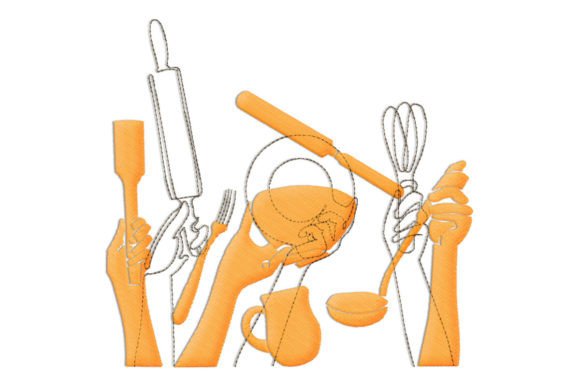
Kitchen Utensils Cooking Embroidery Review
As an embroidery designer who has spent years curating collections for small business owners and Etsy sellers, I know that the difference between a good product and a bestseller often lies in the details of the design itself. Today, I am putting the Kitchen Utensils Cooking machine embroidery design through its paces. Before this file hits my production queue for real customer orders, I need to understand its mood, its technical performance, and how it translates into a tangible, personalized gift. This review is written from the perspective of someone planning their next collection of handmade products, looking for designs that offer both charm and commercial viability.
First Impressions: Charm and Culinary Warmth
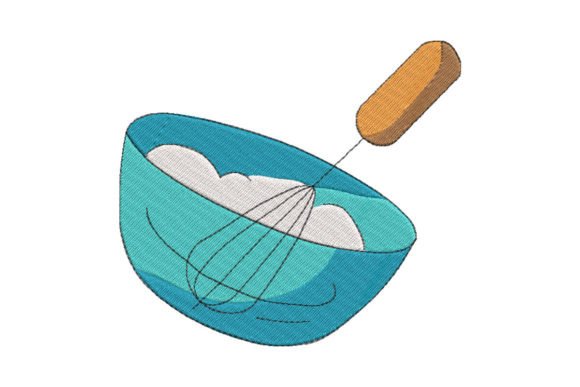
When I first opened the digital preview of the Kitchen Utensils Cooking design, the immediate feeling was one of cozy domesticity. It does not feel overly modern or stark; instead, it carries a classic, timeless appeal that resonates with anyone who loves spending time in the kitchen. The arrangement of the utensils suggests movement and utility, yet it retains a playful elegance perfect for home decor. For an Etsy seller or a craft fair vendor, this emotional connection is vital. A customer browsing for a wedding gift or a housewarming present is looking for something that feels "lived-in" and welcoming, even before they touch the fabric.
The detail level strikes a balance that works well for various skill levels. It is intricate enough to look professional and high-value but not so dense that it becomes difficult to stitch on standard home machines. The mood is undeniably sweet and functional, making it an ideal candidate for items like cooking aprons, kitchen signs, and tablemats. It evokes the warmth of a shared meal, which is exactly the kind of sentiment we want to embed in our custom embroidery projects.
Bringing the Design to Life: Product Applications
The versatility of the Kitchen Utensils Cooking design is its strongest asset. In my testing, I visualized this pattern across a wide range of substrates. Naturally, it shines on cooking aprons. Imagine a heavy-duty canvas apron with this design stitched in vibrant thread colors near the chest pocket. It instantly transforms a generic item into a thoughtful, personalized gift for a new homeowner or a culinary enthusiast.
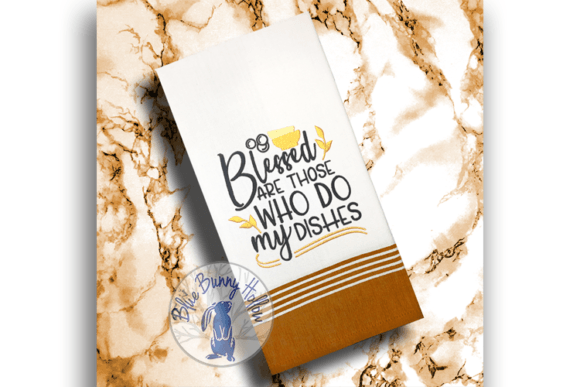
Beyond aprons, the design adapts beautifully to soft goods. An embroidered towel featuring these utensils adds a layer of sophistication to a kitchen set, elevating it from a basic necessity to a cherished keepsake. For those creating nursery items or baby embroidery, this design could be adapted for a future chef theme, perhaps on a bib or a small blanket, though care must be taken with fabric choice. It also serves as a fantastic centerpiece for a pillow cover, adding texture and interest to a dining room or breakfast nook.
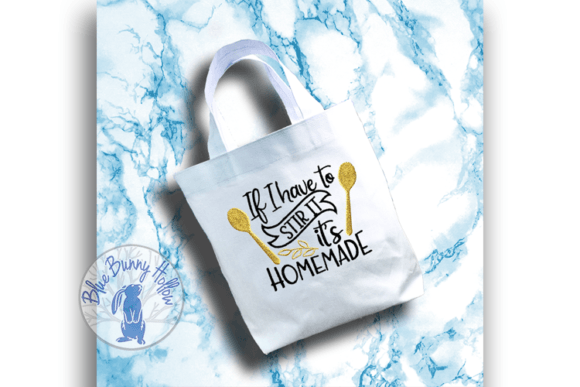
For the digital product seller or the owner of a small shop product line, this design opens doors for custom embroidery services. Whether it is a tote bag for a food blogger or a decorative sign for a bakery, the imagery is universally understood and appreciated. The potential for creating a cohesive brand identity using this motif is significant, allowing you to offer a complete line of kitchen-themed handmade products.
Navigating Challenges: Where Caution is Needed
While the Kitchen Utensils Cooking design is robust, every embroidery file has its limitations. As a professional, I always advise checking the specific requirements of your project before committing to a final run. One area of concern is the use of small lettering if the design includes text elements alongside the utensils. On textured fabric or thick towels, fine details can sometimes get lost or cause stitching issues.
Stretchy baby clothes are another category where caution is required. If you plan to use this design for a baby shower gift, ensure the fabric has minimal stretch, or use a stabilizer that prevents distortion. Similarly, curved surfaces like the sides of a mug or a rounded pillow can alter the shape of the utensils, making them appear distorted. Always test on a scrap piece of the actual fabric you intend to use.
Dark fabrics present their own challenges. While the design looks great in theory, the contrast of the thread colors against a deep navy or black background needs careful consideration. You may need to add a backing layer or adjust the stitch density to ensure the image pops. Furthermore, products that require frequent washing, such as dish towels, demand a design with high durability. Check the stitch count and density to ensure the threads will hold up against hot water and agitation without fraying or fading.
Enhancing Giftability and Perceived Value
In the world of handmade products, perceived value is everything. A well-executed Kitchen Utensils Cooking embroidery significantly boosts the appeal of a finished product. Customers perceive custom embroidery as a mark of quality and effort. When a buyer sees a detailed, professionally stitched design on a kitchen sign or a blanket, they immediately associate it with higher craftsmanship.
This design fosters an emotional connection. It is not just a picture; it is a representation of care, cooking, and family gatherings. For a wedding gift, this symbolism is powerful. It tells the recipient that you have thought about their future life together in the kitchen. For the small business owner, this emotional resonance translates directly into customer trust and repeat sales. High-quality product photography that highlights the texture of the stitches and the sheen of the thread colors will further enhance buyer engagement on platforms like Etsy.
Practical Notes for the Professional Maker
To ensure success with this machine embroidery design, follow these practical steps during your workflow:
- Test on Scrap Fabric: Never skip the test run. Stitch the design on a piece of the exact fabric you plan to sell to check for puckering or alignment issues.
- Check Thread Color Contrast: Ensure the chosen thread colors stand out clearly against your base fabric. Use a color wheel or digital mockup tool to visualize this before purchasing thread.
- Confirm Hoop Size: Verify that the design fits within your available hoop sizes. If the design is large, you may need a larger hoop or a multi-hoop setup.
- Review Stitch Density: Look at the back of your test stitch. If there are gaps, the design might be too open for thin fabrics. If it is too tight, it might cause puckering on thicker materials.
- Use Proper Stabilizer: This is non-negotiable. For towels and aprons, use a tear-away or cut-away stabilizer appropriate for the weight of the fabric to support the stitches.
- Compare Light and Dark Mockups: Create printable mockups showing the design on both light and dark fabrics to help customers visualize the final result in your online store.
- Check Small Details: After stitching, inspect the fine lines of the utensils under good lighting to ensure no skipped stitches occurred.
- Confirm Commercial Licensing: Before selling any finished products containing the Kitchen Utensils Cooking design, verify your license terms. Ensure you have the right to sell items made with this digital embroidery file.
The Kitchen Utensils Cooking design is a versatile and charming addition to any embroidery library. With proper preparation and attention to detail, it can become the cornerstone of a successful line of personalized gifts, bringing joy and functionality to kitchens everywhere. Whether you are a seasoned pro or a new Etsy seller, this design offers a warm, inviting aesthetic that customers love.