Otomi Design Mexican: A Designer's Review
As someone who has spent years navigating the intersection of digital design and physical thread, I approach every new machine embroidery design with a mix of excitement and skepticism. The market is flooded with generic patterns that look great on a screen but fall apart under the needle. When I first opened the file for Otomi Design Mexican, I was looking for authenticity, stitch integrity, and versatility. This isn't just about finding a pretty picture; it is about finding a reliable asset for my craft business, my Etsy shop, and my client projects. Here is my honest assessment of how this design performs in the real world.
The First Impression: Vibrancy Meets Structure
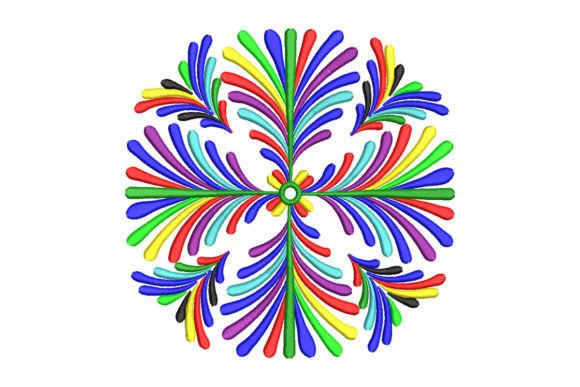
The immediate visual impact of Otomi Design Mexican is striking. It captures the bold, geometric spirit of traditional Otomi art without feeling cluttered or overly complex for a machine to execute. The layout balances intricate details with open spaces, which is crucial for maintaining clarity when stitched onto fabric. Unlike some designs that rely heavily on tiny running stitches that can get lost in the weave of a garment, this pattern utilizes a strong combination of fill stitches and defined outlines.
From a design perspective, the mood is festive yet grounded. It feels like something that would elevate a simple tote bag into a statement piece or transform a plain denim jacket into a unique boutique item. The color palette implied by the design suggests high contrast, which is essential for making the embroidery pop against various backgrounds. For anyone creating a handmade product line, this kind of visual personality is what separates a commodity from a collectible.
Real-World Application: From Tote Bags to Apparel
To truly test the value of an embroidery file, you have to imagine it on a finished product. Let’s say I am preparing a batch of custom embroidered tote bags for a local craft fair. These bags need to be durable, visually appealing, and able to withstand daily use. Otomi Design Mexican fits this scenario perfectly. The density of the stitching appears robust enough to hold up on canvas without tearing through, while the motifs are large enough to be appreciated from a distance.
I also see significant potential for custom apparel. Imagine this design placed on the back of a heavy cotton sweatshirt. The organic curves of the Otomi style would soften the boxy shape of the garment, adding a touch of cultural flair that appeals to customers looking for personalized gifts. For a small shop owner, using this design on baby clothes or nursery decor could create a niche collection that stands out. The playful nature of the patterns works exceptionally well for baby embroidery, provided the thread colors are chosen to be soft yet vibrant.
For those selling digital product assets or printable mockups, this design offers a clear advantage. It looks professional in preview images, helping to build customer trust before they even buy the physical item. Whether you are an Etsy seller or running a larger commercial embroidery operation, having a design that translates well across different mediums—from framed art to kitchen towels—is a massive time-saver.
Navigating Fabric Challenges and Stitch Density
While Otomi Design Mexican is versatile, it is not without its challenges. As a designer, I always advise caution when working with textured fabrics or thin materials. The intricate details in the corners of the design require precision. If you attempt to stitch this on a stretchy knit fabric without the proper stabilizer, the result could be puckering or distorted lines. Always test the design on scrap fabric first to gauge how the stitch density interacts with your specific material.
Dark fabrics present another consideration. While the design is bold, lighter thread colors might struggle to show up clearly on black or navy blue garments unless the stitch count is sufficient to build coverage. You may need to adjust the underlay settings or add a backing layer to ensure the fill stitch lays flat and opaque. Similarly, if you are considering this for a cap or a curved surface, pay close attention to the hoop size. Curved surfaces can cause registration issues if the design is too wide or dense for the area being hooped.
For products that will undergo frequent washing, such as aprons or tea towels, the durability of the satin stitch edges becomes critical. Ensure that the tension on your machine is dialed in correctly so that threads do not snag or loosen over time. A well-executed embroidered patch version of this design could solve many of these fabric issues, allowing you to sew the finished motif onto almost any surface later.
Professional Notes for Craft Entrepreneurs
If you are planning to incorporate Otomi Design Mexican into your commercial projects, there are a few practical steps you must take to maintain professionalism. First, verify the licensing terms. Just because you purchased the digital embroidery file does not automatically grant you the right to sell unlimited finished goods or resell the file itself. Understanding the difference between personal and commercial embroidery rights is vital for avoiding legal headaches down the road.
Secondly, experiment with thread colors beyond the standard suggestions. The beauty of Otomi art lies in its vibrancy. Don't be afraid to use contrasting hues to make the geometric shapes stand out. However, keep your brand consistency in mind. If your shop is known for earth tones, try to adapt the design to fit that aesthetic rather than forcing a neon look that clashes with your identity.
Finally, consider the presentation. A high-quality finished product deserves a high-quality display. Use clean, well-lit photos for your online listings. Show the design on multiple items, such as a pillow cover, a dress, and a jacket, to give customers a full sense of its versatility. This builds engagement and helps buyers visualize the item in their own lives.
Final Verdict on Visual Appeal and Value
In conclusion, Otomi Design Mexican is a strong contender for designers looking to add cultural depth and artistic flair to their portfolios. It strikes a rare balance between complexity and machine-readability. When used correctly with the right stabilizer and fabric choices, it elevates a simple project into a premium personalized gift or a standout small shop product.
It is not a "set it and forget it" design; it requires a bit of forethought regarding placement and material selection. But for the experienced crafter willing to put in that extra effort, the payoff is a beautiful, durable, and highly marketable piece of art. Whether you are decorating holiday gifts, creating wedding favors, or building a line of home decor, this design has the potential to become a signature element of your work. Just remember to check your hoop size, test your density, and always respect the licensing agreement before you start selling.