Stella Embroidery Design: A Craft Fair Review
As an experienced embroidery designer who has spent countless weekends setting up booths, managing hoop changes, and watching customers walk past displays, I know that a design is only as good as its performance in the real world. Today, I am reviewing Stella, a new addition to our digital library described as a unique masterpiece created by a family of craft enthusiasts with love poured into every stitch. Before we commit this machine embroidery design to a weekend production run for our handmade market stall, we need to evaluate if it truly translates from a screen to a sellable product.
First Impressions: The Vibe of Stella
When I first loaded the Stella file onto my machine, the immediate impression was one of warmth and approachability. The description promises an "exquisite" quality, and visually, the design leans heavily into a modern-rustic aesthetic that is currently dominating the craft fair product scene. It does not feel overly industrial or cold; instead, it carries the softness of a well-loved heirloom. For those of us selling Accessories, this emotional resonance is crucial. Customers at a booth are looking for connection, and Stella offers a visual language that suggests care and craftsmanship without being overwhelming.
The design feels versatile enough to fit into a farmhouse chic collection yet refined enough for a boutique maker's high-end line. It strikes a balance between decorative flair and functional simplicity. This is exactly what we want when curating a table display where space is limited and every inch must count toward sales.
Product Versatility: Where Stella Shines
The true test of any embroidery file is how it adapts across different substrates. As I planned my inventory for the upcoming market, I considered several key items where Stella could serve as the hero element.
Tote Bags and Market Goods
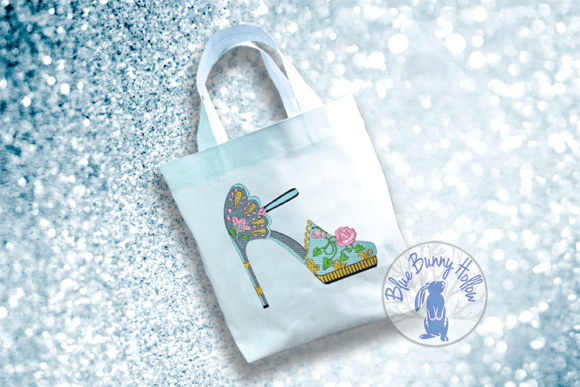
Tote bag design applications are always a staple for the weekend crafter. Stella works exceptionally well here because it can be scaled up to become a focal point on the front panel or repeated as a subtle motif along the handle strap. On a sturdy canvas tote, the texture of the thread adds a tactile dimension that flat prints cannot replicate. This makes the item feel more premium, justifying a higher price point in a competitive marketplace.
Kitchen Textiles: Aprons and Tea Towels
For the home cook demographic, apron embroidery and tea towel embroidery are perennial bestsellers. Stella brings a charming touch to these utilitarian items. On a linen tea towel, the design stands out beautifully against the natural weave. However, one must be mindful of the fabric texture; a very dense stitch density might flatten the nap of a plush towel, so testing is essential. On cotton aprons, the design adds a professional finish that elevates a simple garment into a giftable statement piece.
Patches and Caps
Smaller items like the embroidered patch offer great margin potential. Stella can be trimmed and applied to denim jackets, backpacks, or even hats. When considering caps, the curved surface requires careful attention. If the design includes fine details, they may get lost on the crown of a hat due to the curve. In such cases, simplifying the outline or using a slightly larger scale ensures the finished product remains crisp and legible.
Pillow Covers and Home Decor
In the realm of home decor, pillow covers provide a large canvas for Stella. This allows for the use of varied thread colors to create depth. The design's inherent elegance makes it suitable for both bohemian and modern interior styles, expanding the potential customer base for any Etsy seller or boutique owner.
Practical Production Considerations
While the aesthetic appeal is strong, the practicalities of running a small shop product line demand scrutiny. Here is what you need to know about producing Stella efficiently.
Readability and Scale
A critical factor for any digital embroidery file is how easily it is understood at a glance. At a craft fair, a customer might spend only three seconds looking at your table. Stella maintains its integrity even when viewed from a distance, which is vital for booth visibility. However, if you plan to use it as a tiny accent on a small pouch, be cautious. Tiny details or thin lettering within the design may lose clarity if scaled down too aggressively. Always aim for a size where the stitches are distinct and the shape is recognizable.
Batch Production and Consistency
For those planning to sell commercial embroidery products, consistency is key. Stella appears to have a balanced structure that should yield repeatable results across multiple runs. This is essential for creating matching sets, such as a collection of four tea towels or a trio of tote bags. The design assets seem robust enough to handle the stress of batch production without frequent thread breaks or registration issues, provided the correct stabilizer is used.
Fabric and Thread Contrast
The magic of embroidery often lies in contrast. Stella will pop on neutral backgrounds like cream, beige, or white, but it can also work on darker fabrics if you choose the right thread colors. Darker fabrics require a denser underlay to prevent the background color from showing through the stitches. Always check the hoop size requirements before committing to a specific fabric, as some materials may require a larger hoop to maintain tension during stitching.
Designer Notes for Success
Before you rush to produce your entire inventory, take these steps to ensure your handmade product looks its best:
- Test on Scrap Fabric: Never skip the test run. Stitch Stella on a scrap piece of the exact fabric you intend to use. This reveals how the material reacts to the needle and stabilizer.
- Check Stabilizer Needs: Depending on whether you are working with a heavy denim or a delicate silk blend, adjust your stabilizer choice accordingly. A tear-away might suffice for stable wovens, while a cut-away is better for stretchy knits.
- Review Spacing: Ensure there is adequate spacing between the design and the edge of the fabric or other elements. Crowded designs can look messy and reduce the perceived value of the item.
- Create Real Mockups: While a printable mockup is great for social media, nothing sells like a physical sample. Have at least one finished item ready to show customers the texture and quality in person.
- Confirm Licensing: Since this is a commercial endeavor, verify the license terms associated with the Stella file. Ensure you are permitted to sell the finished goods and understand any restrictions on reselling the file itself.
Final Verdict: Is Stella Worth the Booth Space?
After evaluating the design's versatility, aesthetic appeal, and production feasibility, Stella earns a spot in my upcoming craft fair lineup. It embodies the spirit of the handmade movement—thoughtful, detailed, and full of character. Whether used as a bold statement on a tote bag or a delicate accent on a kitchen towel, it enhances the perceived value of the product.
For the creative entrepreneur, the embroidery category is saturated, but designs that tell a story and offer high-quality execution stand out. Stella does exactly that. It invites touch, encourages closer inspection, and ultimately drives engagement. If you are looking to elevate your brand consistency and offer customers a piece of art they can carry home, this design is a strong contender. Just remember to test, stabilize, and present with pride, and your booth will surely reflect the abundance of love poured into every stitch.