Taco Momma Embroidery Design Review
As a designer who has spent years navigating the nuances of machine embroidery, I approach every new embroidery file with a critical eye. It is not enough for a design to look good on a screen; it must translate seamlessly into thread, stabilizer, and fabric. Today, I am evaluating the Taco Momma design, a playful asset that immediately signals its intended market: the vibrant world of Mother-themed apparel and accessories. Before you download this digital embroidery file for your next project or add it to your Etsy shop inventory, let us break down how it performs in real-world scenarios.
First Impressions: Mood and Visual Personality
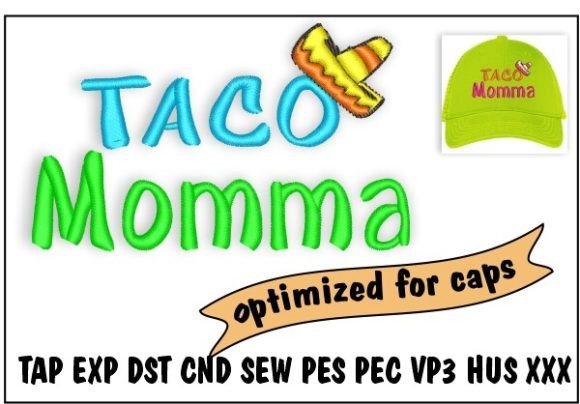
The moment I opened the preview of Taco Momma, the intent was clear. This is not a subtle, minimalist piece; it is bold, fun, and perfectly timed for festive occasions like Cinco de Mayo. The visual layout suggests a whimsical take on the "Taco Tuesday" culture, reimagined specifically for mothers. For a craft business owner looking to expand their holiday collection, this design offers an immediate hook. It carries a personality that feels approachable and humorous, which is essential for creating personalized gifts that resonate emotionally with buyers.
However, the true test of any machine embroidery design lies in its construction. The product description notes that the design stitches from the bottom up and the center out. This is a crucial detail for anyone planning to use it on curved surfaces like caps or hats. Stitching from the center outward helps prevent shifting and ensures that the central elements remain crisp, which is vital when working with the intricate details often found in food-themed graphics. If you are planning to create a custom apparel line, understanding this stitching path can save you hours of troubleshooting later.
Real-World Application: From Hoop to Finished Product
Let us imagine a practical scenario: You are preparing a batch of embroidered patches for a local craft fair. The goal is to sell these as iron-on accents for denim jackets or tote bags. When I visualize Taco Momma stitched onto a sturdy canvas patch backing, the potential for high-quality results is evident. The design's structure seems robust enough to handle the density required for a durable embroidered patch.
Now, consider a different application: a soft cotton sweatshirt for a mother-to-be. Here, the choice of stabilizer becomes paramount. Because the design likely features both fill stitch for the taco shapes and potentially satin stitch for outlines or text, the tension needs to be balanced carefully. On a stretchy knit fabric like a sweatshirt, improper stabilization can cause the fabric to pucker around the dense areas of the design. As a reviewer, I would recommend testing this on a scrap piece of the exact same fabric before committing to a client order. The stitch density appears moderate, but without seeing the actual file, one must always verify that the fill does not overwhelm the fabric texture.
For the Etsy seller or small shop owner, the versatility of Taco Momma is a significant asset. It fits naturally into categories ranging from kitchen towels and aprons to baby onesies and nursery decor. Imagine a personalized gift set where a matching hat and bib feature this design. The cohesive look adds value to the bundle, making it a standout item during the holiday season. The design's playful nature encourages impulse buys, especially when presented with high-quality printable mockups that showcase the final look on various products.
Strategic Placement and Fabric Considerations
While the design is versatile, there are specific contexts where caution is advised. The description mentions it is ideal for hats, but placing a detailed graphic on a curved cap requires precision. If the design includes tiny lettering or intricate corners, the curvature of a baseball cap can distort the image if the hoop size is not appropriate. Always ensure your cap hoop matches the dimensions of the design to avoid stretching or misalignment.
Fabric texture also plays a role in the final presentation. On textured fabrics like fleece or heavy canvas, fine details might get lost within the weave. In such cases, simplifying the color palette or increasing the thread colors contrast can enhance visibility. Conversely, on thin or delicate fabrics, the weight of the stitching could cause sagging. Using a cutaway stabilizer rather than a tear-away one would provide the necessary support for long-term durability, especially for items that will undergo frequent washing.
Design Integrity and Commercial Viability
When selling finished goods, the quality of the embroidery project directly impacts customer trust and brand consistency. A poorly executed design can ruin an otherwise perfect garment. With Taco Momma, the key to success lies in preparation. Before running a production batch, I always advise testing the design on scrap fabric first. Check for any skipped stitches, thread breaks, or uneven tension. Inspect small details under magnification to ensure they are legible and sharp.
Furthermore, consider the lighting conditions in which your customers will view the product. A design that looks vibrant in bright studio lighting might appear flat in natural light. Testing the design in black and white mockups can help you assess the contrast and balance of the composition without the distraction of color. This step is particularly important for commercial embroidery projects where branding needs to remain consistent across different batches and materials.
Licensing and Professional Use
It is imperative to remember that Taco Momma is a digital file, not a finished product. As a creative entrepreneur, you must confirm the licensing terms before using this design for commercial purposes. Many designers offer personal use licenses by default, requiring a separate purchase for commercial rights. Selling items made with a design you do not have the right to license can lead to legal issues and damage your reputation. Always review the terms of service provided with the embroidery file to ensure compliance.
If you plan to sell the digital file itself as part of a bundle, check whether redistribution is allowed. Some creators permit this, while others strictly forbid it. Transparency with your customers about what they are buying—whether it is a physical handmade product or a digital asset—builds trust and professionalism.
Final Thoughts for the Modern Maker
In conclusion, Taco Momma presents a compelling opportunity for designers and makers to tap into the growing market of fun, themed merchandise. Its playful aesthetic and thoughtful stitching direction make it a strong candidate for hats, patches, and apparel. However, its success depends entirely on your execution. By paying attention to hoop size, stabilizer choice, and fabric compatibility, you can transform this digital file into a high-quality finished product that delights customers.
Whether you are a hobbyist creating a unique gift for a friend or a seasoned small shop product creator building a seasonal collection, this design offers a solid foundation. Just remember to test thoroughly, respect the licensing, and let your creativity guide the final presentation. With careful planning, Taco Momma can become a signature piece in your portfolio, proving that even the most lighthearted designs deserve professional attention to detail.